
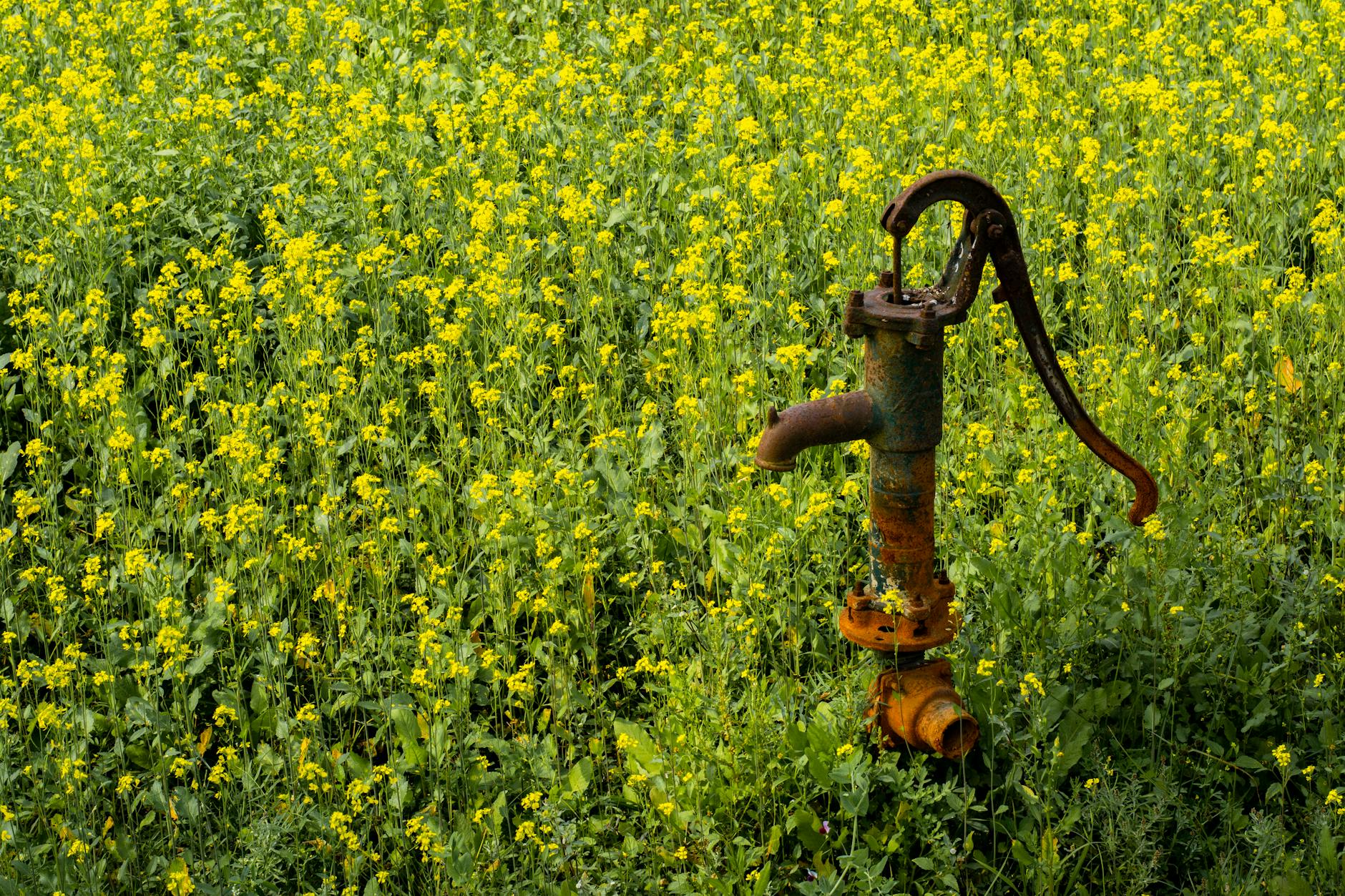
The well at the back of your property doesn’t care what’s in a state filing. It runs, or it doesn’t.
For thousands of Sonoma County households on private wells, that is the bottom line of the Sustainable Groundwater Management Act, the 2014 state law that forced local agencies to manage several of the county’s most important aquifers under binding long-term plans. In January 2023, the California Department of Water Resources approved groundwater sustainability plans for the Santa Rosa Plain, Petaluma Valley and Sonoma Valley basins. Three years on, those plans have to prove something.
All three basins sit on the state’s priority list, which means local agencies have until 2042 to bring groundwater use into balance with what the basins can sustain over the long term. Each basin has its own groundwater sustainability agency, its own board and its own annual reporting obligation to DWR.
The latest public reports describe an uncomfortable middle phase. Wet years after the 2020–2022 drought helped many groundwater levels recover and bought the plans breathing room. The harder work, the work that tests whether these plans are real, is only starting.
What changed, what didn’t
The last drought is the reason any of this feels urgent. From 2020 through 2022, dry-well reports rose across parts of Sonoma County. Some residents hauled water, drilled deeper or waited for rain. The state dry-well reporting system captured part of that story, though officials caution that the data are voluntary and do not represent every failing well.
Wet winters since then have quieted some of the crisis. Water levels climbed in many monitoring wells, and some wells that had struggled during the drought recovered.
But groundwater plans are not graded on a single wet year. They are graded on whether pumping, averaged over long stretches, stays within what the basin can replace without causing long-term damage. In year three, the agencies are still building the monitoring network, still refining pumping estimates and still negotiating what residents, farms and utilities will pay to run the system.
Santa Rosa Plain: The fee fight arrives
The Santa Rosa Plain is the biggest of the three basins by population and by water use. The basin extends from Santa Rosa west to Sebastopol and from Windsor south to Cotati, and it supplies both municipal systems and a long fringe of rural wells.
It is also where the cost of a groundwater plan most directly meets the household budget. The Santa Rosa Plain Groundwater Sustainability Agency charges a groundwater sustainability fee based on actual or estimated annual groundwater use. For 2025-26, the rate is $44.70 per acre-foot of groundwater pumped annually, a 2.4 percent increase adopted in June 2025 over the prior year’s $43.65. A rural residential parcel is estimated at 0.5 acre-feet, which works out to $22.35 a year. Larger users, including agricultural, commercial and municipal pumpers, are assessed on higher estimated or measured use.
The program depends on better information about how much groundwater people use and where the basin is responding. Metering, for years, was the flash point. It is quieter now, but the fee conversation is not going away, and the three-year mark is when the agency has to explain what the fees have actually bought: more monitoring wells, better data, technical studies and enough staff capacity to keep the plan moving.
Petaluma Valley: Smaller basin, sharper tradeoffs
Petaluma Valley is the smallest of the three priority basins in Sonoma County, but in some ways it may be the most exposed. It receives less rainfall than the northern part of the county, has a substantial agricultural economy and relies heavily on local groundwater in areas outside the reach of imported or municipal supplies.
The valley’s plan leans heavily on two things. One is recycled water from the city of Petaluma, which already offsets some groundwater and potable water use for agricultural and landscape irrigation. Roughly 1,200 acre-feet of recycled water was delivered within the basin for agricultural use in water year 2023, and a planned Water Recycling Expansion Program along Adobe Road and Maria Drive would add another 200 to 400 acre-feet per year for agricultural parcels, plus about 41 acre-feet of potable offset. The other leg of the plan is demand discipline: pump less, measure more and do not let wet years hide a structural shortfall.
A working dairy or vineyard in a dry year in Petaluma Valley is not a hypothetical. It is a business plan. The year-three question is whether the plan gives those operators a realistic path, or whether it writes checks the basin cannot cash in the next dry cycle.
Sonoma Valley: Salt at the south end
Sonoma Valley stretches from Kenwood down through the city of Sonoma and out toward the bay. The southern end of the valley is where one of the county’s hardest groundwater problems sits. When groundwater levels fall in the lower valley, saltwater from San Pablo Bay can move inland through the aquifer. The intrusion does not always show up on the surface. It shows up in chloride and other water-quality readings at monitoring wells.
The Sonoma Valley plan recognizes seawater intrusion as a sustainability indicator and is still refining the criteria used to judge when the basin is nearing a dangerous line. Chloride creep is the kind of slow, cumulative harm that a single wet winter does not undo. Once salt is in part of an aquifer, pulling it back out is expensive and slow.
For vineyard owners in Glen Ellen and growers along the Sonoma Creek floor, the question is not academic. A well that starts delivering salty water is a well that stops being useful.
What to watch
The next fight is not only about household wells. It is also about creeks.
Russian Riverkeeper and other environmental groups have pushed Sonoma County to move faster on the connection between groundwater pumping and surface water. Their argument is that summer pumping can reduce flows in streams that coho salmon and steelhead depend on, especially during dry years. The groundwater plans acknowledge that connection. Whether they do enough about it is still a live argument.
The other thing to watch is the monitoring network itself. Groundwater management depends on wells that can show whether the basin is rising, falling or changing chemically. If the monitoring network misses a neighborhood, a shallow aquifer or a vulnerable reach of creek, the plan may look healthier on paper than it is on the ground.
What residents can actually do
For a household on a private well in any of the three basins, the year-three checklist is short and practical.
Check whether your well is in or near the monitoring network. If it is, the agency has better information about your part of the basin. If it is not, the agency is making assumptions about your area using data from somewhere else.
Know your basin’s fee schedule. Even small domestic users may see a modest annual charge, while agricultural, municipal and other larger users are assessed based on higher estimated or measured use.
File a dry-well report if a well goes dry. The state dashboard at mydrywell.water.ca.gov is where county and state responders can see patterns forming, even though the data are voluntary and incomplete.
Pay attention to meter readings if your well has a meter. A working meter on a rural well is one of the best early warnings of a failing pump, a leak or a change in use that may become expensive later.
The bottom line
Three years into implementation, the Sustainable Groundwater Management Act in Sonoma County is neither the disaster its critics predicted nor the fix its authors promised. It is a slow instrument. Its scorecard is in monitoring-well hydrographs, chloride readings, pumping estimates, recycled-water deliveries and fee schedules, not in headlines.
The next real test comes with the next dry year. The plans were designed to keep the basins inside their budgets across wet and dry cycles. The wet cycle is giving them a running start. Whether that start holds up when the rain stops is the question the next annual reports will begin to answer.
For now, many wells are running. Which is its own kind of news.
Leave a Reply