
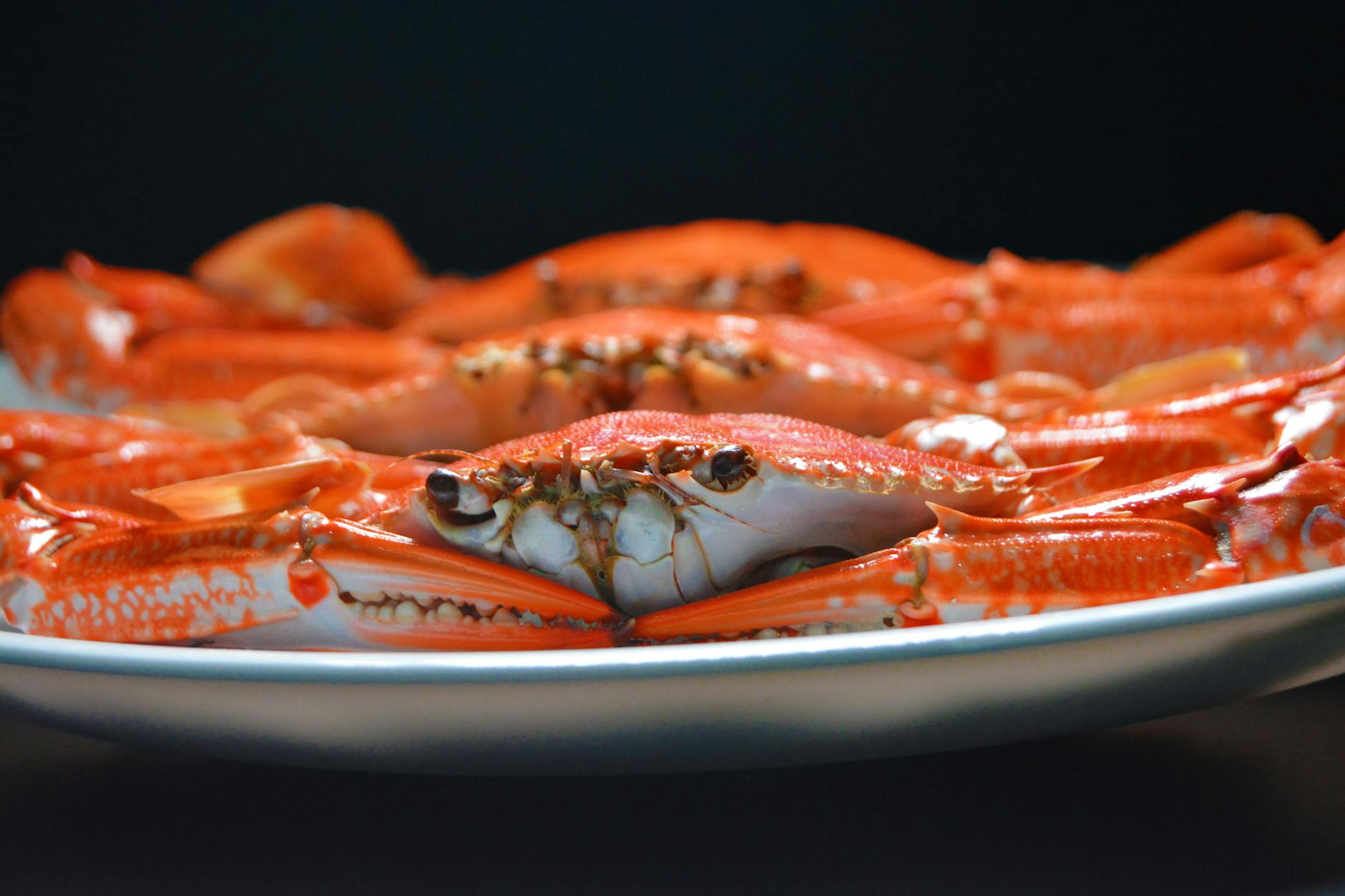
March 9 may be known nationally as National Crabmeat Day, but along the Sonoma Coast, the celebration feels less like a novelty food holiday and more like a tribute to a deeply rooted local tradition.
For generations, Dungeness crab has been one of the North Coast’s signature seafoods. From Bodega Bay docks to restaurant menus in Sebastopol and Santa Rosa, the sweet, delicate meat of this Pacific crab is a culinary calling card of Sonoma County’s coastal communities.
National Crabmeat Day is observed each year on March 9 to celebrate the flavor and versatility of crab meat and the fishing traditions behind it. The origins of the day are somewhat unclear, but like many American food holidays it appears to have emerged from culinary promotion and seafood enthusiasm over the past few decades. Today, it encourages seafood lovers to cook crab dishes, visit local restaurants or simply appreciate the role of crab in coastal food culture.
For Sonoma County, the timing of the celebration aligns well with the region’s relationship to the Dungeness crab season, which typically runs from late fall through spring. The fishery is one of California’s most economically important coastal industries and a cornerstone of life in Bodega Bay.
Early morning on the harbor docks, crab boats unload heavy pots filled with the prized crustaceans. Many of those crabs make their way directly to local markets and restaurants, where chefs transform them into dishes ranging from traditional crab cocktails to pasta, chowders and crab cakes.
“Fresh Dungeness crab is one of the purest tastes of the Pacific,” said one longtime Bodega Bay seafood vendor. “You don’t need much—just cracked shells, melted butter and maybe some sourdough bread.”
Crab has been a staple food along North American coastlines for centuries. Indigenous coastal communities harvested crabs long before European settlers arrived, relying on the abundant crustaceans as a reliable food source. Over time, commercial crabbing grew into a major industry, particularly along the Pacific Northwest where Dungeness crab became closely tied to regional identity and cuisine.
The appeal of crab meat goes beyond taste. It is also valued nutritionally, providing high-quality protein while remaining relatively low in fat and rich in minerals such as selenium and zinc.
Still, the crab industry also reflects the challenges facing coastal fisheries. Weather, ocean conditions and marine life protection rules can all affect the timing of the season. In recent years, California regulators have occasionally delayed the opening of the Dungeness season to protect migrating whales from entanglement in fishing gear.
Those environmental concerns have led to increased attention on sustainable seafood practices, another theme often highlighted during National Crabmeat Day celebrations. Responsible fishing methods and conservation rules help ensure crab populations remain healthy for both fishermen and consumers.
For Sonoma County residents, celebrating the day can be as simple as stopping by a local seafood market or planning a coastal outing.
Restaurants across the region frequently feature crab dishes during the season, while weekend visitors to Bodega Bay often bring home whole cooked crabs from roadside fish markets. Others prefer to make the short drive to the coast, where picnic tables overlooking the harbor provide the perfect setting for cracking shells and enjoying the salty ocean air.
Whether served in a rustic crab sandwich or piled high on a seafood platter, Dungeness crab represents more than a meal. It reflects the connection between Sonoma County’s coastal waters, its fishing communities and the culinary traditions that define the region.
On National Crabmeat Day, that connection is worth savoring—one sweet, tender bite at a time.