
Residents, hotel workers and City Council members clash over housing, hotels and historic preservation at the former winery site.
Sonoma’s fight over the future of the Sebastiani winery property sharpened Tuesday night, as City Council members faced a packed, emotional debate over housing, hotels and how much control the city should keep over one of its most sensitive sites.
By the end of the meeting, one thing was clear: the city is not ready to lock in a broad new development path for the property.
The discussion was not about approving a project. No developer proposal was on the table. Instead, the council was weighing possible land-use changes as part of Sonoma’s broader General Plan update, including a proposed mixed-use designation for the Sebastiani site that could open the door to housing, commercial uses and potentially a hotel.
That possibility drew fierce opposition from nearby residents, labor organizers and preservation-minded speakers, many of whom argued the city was moving too fast on a site with major historic, agricultural and public safety implications.
“This is not about resisting thoughtful development,” resident Janet Boyle told the council. “It’s about applying thoughtful planning.”
The Sebastiani property has become a flash point because it sits at the edge of town, near established neighborhoods and evacuation routes, and carries deep symbolic weight in Sonoma. Neighbors warned that a broad mixed-use designation could weaken the city’s leverage later, especially if a developer seeks state density bonuses or concessions.
“Sonoma mixed use is just too broad. It cedes control,” resident Becky Sager said.
A major theme of the night was whether the city should define the site’s future now through the General Plan, or leave the existing rules in place and wait for a specific project proposal.
That split showed up on the dais as well.
Some council members said Sonoma should give clearer direction now, especially if the city wants housing on the site. Others worried the city was doing speculative planning for a project that does not yet exist.
Councilmember Jack Gurney put it bluntly, saying, “We’re doing a lot of work for a project that doesn’t exist.”
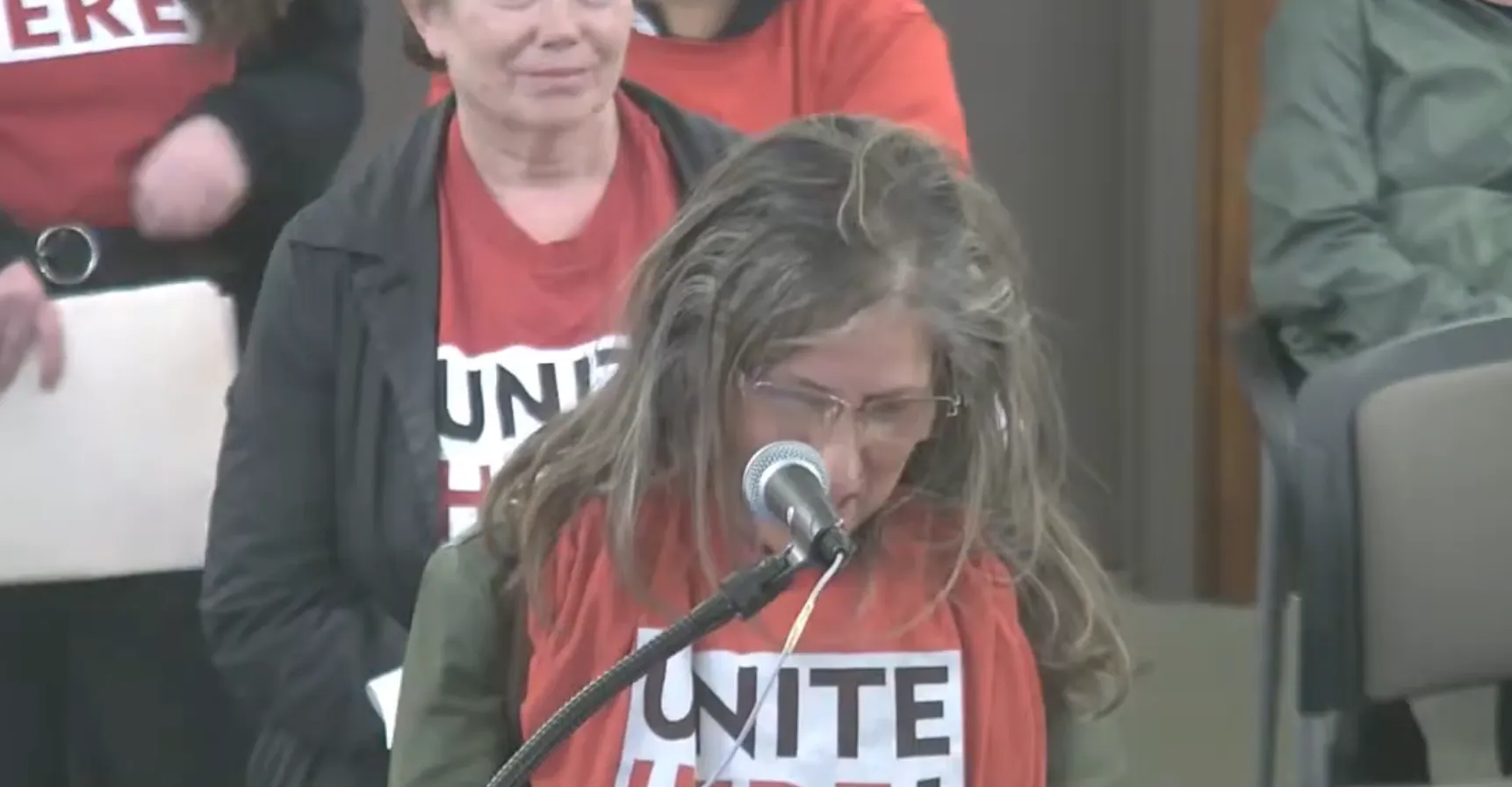
The strongest testimony of the night came from hotel workers and union representatives, who urged the city not to add more tourism uses in a valley already struggling with affordability.
Sonia Carabal of Unite Here Local 2 told the council, “We are in a housing crisis, not a hotels crisis.”
Workers from the Fairmont Sonoma Mission Inn described high rents, long commutes and the difficulty of staying in Sonoma Valley even after decades on the job. Alex Treadwell, a massage therapist and union member, said he had to live in Vallejo for years before he could afford to move closer.
“We don’t need another hotel with bad jobs in Sonoma County,” he said.
That message appeared to resonate with much of the council, even as members continued to support the idea of more housing overall.
Mayor Ron Wellander said his biggest concern was density, especially if state law could allow a future project to exceed local expectations. He said he could imagine a lower-density housing discussion, adding, “I could probably have a discussion about 10,” referring to units per acre, if the city was trying to avoid a much larger outcome later.
By the close of the discussion, the council seemed to be circling a narrower approach than the one originally floated. Members appeared more comfortable preserving the site’s agricultural parcels and considering a lower residential density range rather than a broad mixed-use framework reaching up to 25 units per acre.
That emerging direction stopped short of a final decision. Staff made clear the city is still in the editing stage of the General Plan process, and that whatever is studied now will shape the environmental review to come.
For now, Sonoma has not approved a hotel, housing project or final rezoning plan for Sebastiani.
What it has done is acknowledge that whatever happens there will carry consequences far beyond a single property line.