
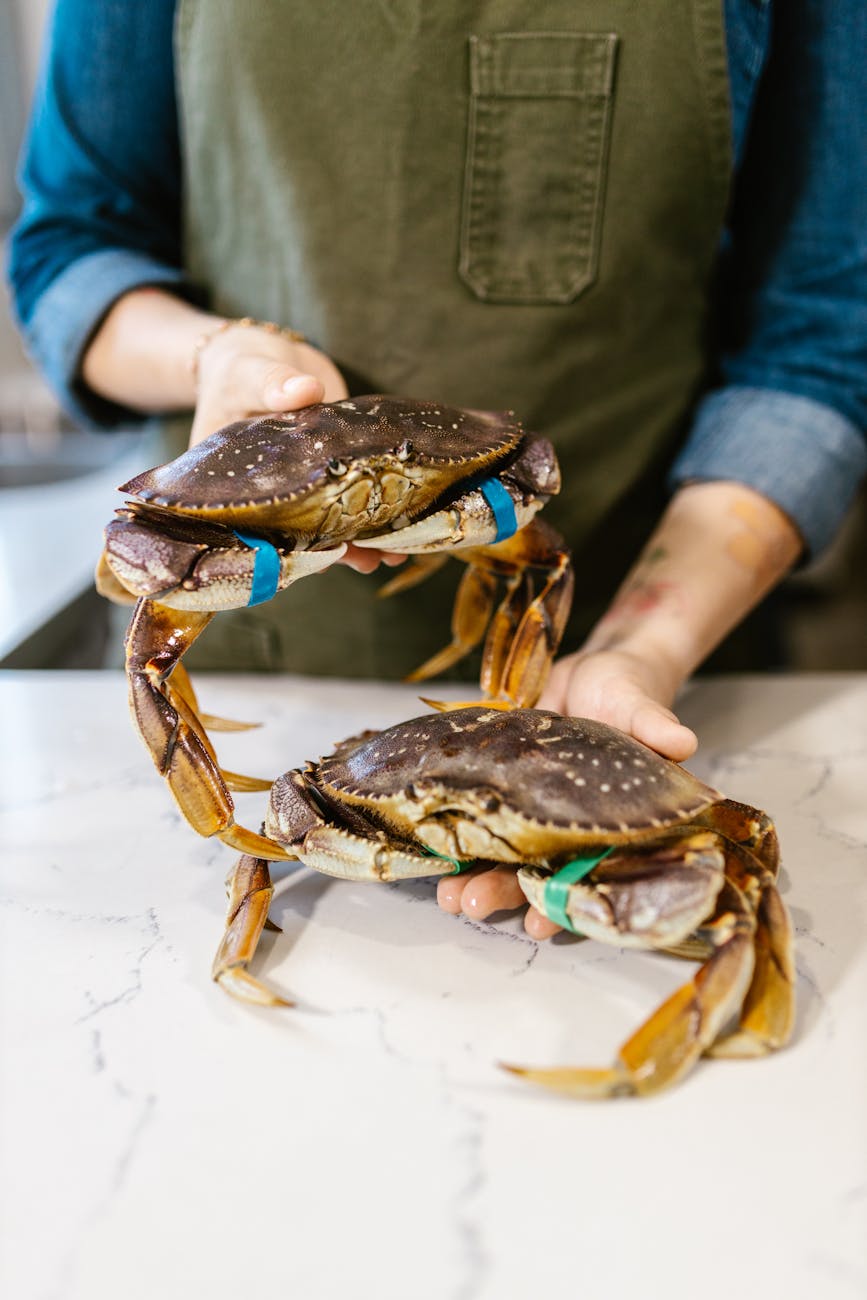
The California Department of Fish and Wildlife is closing commercial Dungeness crab fishing along the entire Sonoma Coast on April 30, citing an escalating risk of endangered humpback whales becoming entangled in traditional gear as a marine heat wave drives the animals closer to shore.
Key takeaways
- The commercial Dungeness crab season closes April 30 from the Oregon border to Pigeon Point, covering all of Sonoma County’s coastline.
- A developing Pacific marine heat wave is pushing humpback whales into nearshore waters where crab gear poses an entanglement risk.
- Fishing may resume May 7 using “pop-up” gear that keeps lines on the seafloor rather than floating to the surface.
- Many Bodega Bay operators say the pop-up gear is too costly to acquire on short notice, effectively ending the season for most of the local fleet.
- The closure is the latest in more than a decade of seasonal disruptions for the North Coast crab industry.
What the closure means for Bodega Bay fishermen
The shutdown covers CDFW’s Northern Management Area — Fishing Zones 1 and 2 — and is triggered under the state’s Risk Assessment Mitigation Program (RAMP), which mandates closures when modeled whale entanglement risk crosses a threshold.
CDFW Director Meghan Hertel announced the closure this week, saying warmer-than-normal ocean temperatures are the key driver. Ben Grundy of the Center for Biological Diversity called the situation urgent given a developing marine heat wave pushing humpback whales into shallower coastal zones, according to the Press Democrat.
For the men and women who fish out of Bodega Bay, the timing is painful. Dick Ogg, president of the Bodega Bay Fishermen’s Marketing Association, said the pop-up gear alternative is not realistic for most operators. “If you don’t have this equipment available and have to purchase it on short notice, it does not pencil out,” Ogg told the Press Democrat.
Pop-up gear — also called on-demand gear — stores buoys and lines coiled on the seafloor beside the trap. Fishers retrieve the gear remotely, eliminating the vertical lines that whales swim into. CDFW data from the 2025 experimental fishing permit program shows the gear is viable: 18 fishers made 114 landings totaling nearly 140,000 pounds of crab valued at roughly $1 million. But buying it under a two-week deadline is a different proposition.
A decade of disruption along the Sonoma Coast
The April 30 closure is far from the first time North Coast crab fishermen have absorbed a season-altering disruption. Over the past decade, the fleet has weathered repeated late-season openings, mid-season shutdowns, and domoic acid contamination events — each eating into the narrow window when crab prices and quantities align.
Geoff Shester of Oceana called pop-up gear a true “win-win” for fisheries and wildlife, arguing it lets the fishery continue while protecting whales. But that optimism is hard to share on a dock where the calculus of break-even fishing has grown increasingly difficult. The economic ripple reaches Sonoma County’s restaurants and seafood markets, which depend on local Dungeness to anchor their menus and attract coastal visitors.
Commercial fishers wishing to retrieve existing gear after the April 30 shutdown may do so under CDFW’s gear-retrieval authorization. Monthly retrieval reports must be filed with LostGear@wildlife.ca.gov.
Frequently asked questions
Will I still be able to buy local Dungeness crab after April 30?
Commercial crab supply from the Sonoma Coast will effectively stop on April 30 for most vendors, since few local boats are equipped with the pop-up gear required to continue fishing. Retailers and restaurants may turn to crab from other regions or frozen product. The season could resume more broadly if market conditions justify gear upgrades or CDFW opens additional permit windows.
What is pop-up gear and why don’t all fishermen have it?
Pop-up gear replaces traditional vertical lines and surface buoys with a system that stays coiled on the seafloor and rises to the surface remotely when the fisher is ready to haul. It eliminates the entanglement hazard but costs significantly more than conventional gear. Many small operators on the Sonoma Coast have not invested in it because prior experimental fishing windows were too narrow to justify the expense.
Why are humpback whales crowding the Sonoma Coast this spring?
A developing Pacific marine heat wave is pushing warmer ocean temperatures into nearshore waters, and humpback whales — which feed on anchovies and krill — are following their prey into shallower coastal zones. That brings them into direct contact with crab gear lines. Humpback whales are listed as endangered under the federal Endangered Species Act, making entanglement a serious legal and conservation concern for the state.
Leave a Reply