
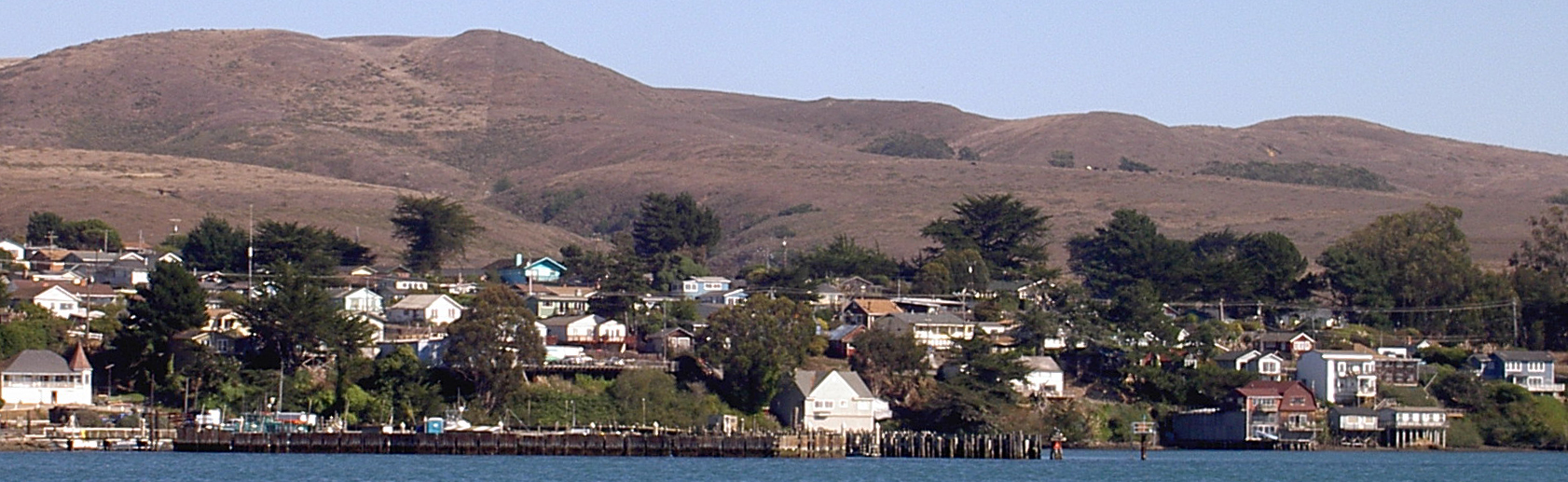
Sonoma County’s health officer is urging residents and visitors to avoid eating any shellfish they harvest from the Sonoma Coast — and the warning carries a stark reminder that cooking provides no protection against the toxins involved.
Key Takeaways
- Sonoma County Health Officer Dr. Michael Stacey has reiterated a state advisory warning against eating sport-harvested bivalve shellfish from the Sonoma Coast.
- Affected shellfish include mussels, clams, scallops, and oysters taken recreationally from local coastal waters.
- Paralytic shellfish poisoning (PSP) toxins and domoic acid cannot be destroyed by cooking.
- Symptoms range from tingling in the fingertips to potentially fatal breathing difficulty in severe cases.
- Commercial shellfish sold in grocery stores and restaurants remain safe because they undergo regular testing.
What the Warning Covers
The California Department of Public Health first posted the advisory on April 9, and Dr. Stacey reinforced it for Sonoma County residents this week after dangerous levels of naturally occurring toxins were detected in mussels along the county’s coastline, according to the Press Democrat. The warning applies to all recreationally harvested bivalves — mussels, clams, scallops, and oysters — taken from the Sonoma Coast.
Similar advisories cover the Marin and San Mateo coasts, while a separate warning addresses razor clams in Humboldt County. The Sonoma Coast advisory arrives just weeks before the standard statewide moratorium on sport-harvested mussels, which runs from May 1 through October 1 every year.
Why the Toxins Are So Dangerous
Two toxins are driving the concern. Paralytic shellfish poisoning is caused by algae that thrive in warmer ocean water, and domoic acid accumulates in shellfish feeding on those algae blooms. Neither toxin is neutralized by heat, meaning boiling, steaming, or grilling an affected mussel or clam will not make it safe to eat.
Dr. Stacey described the progression of PSP poisoning in an interview with the Press Democrat: symptoms begin with a tingling sensation in the fingertips, then move to nausea, vomiting, and loss of coordination. In serious cases, a person can experience difficulty speaking or swallowing, and in the most severe instances, muscle paralysis can impair breathing — a medical emergency. The county’s warning comes alongside broader ongoing concerns about the health of Sonoma’s coastal waterways, including the fallout from a 5.5-million-gallon sewage spill into the Russian River earlier this year.
Restaurant and Store-Bought Shellfish Are Safe
The health officer was explicit that this warning does not apply to commercially sold products. “It’s safe to eat in a restaurant or to buy mussels and shellfish commercially,” Dr. Stacey said, according to the Press Democrat. Commercial operations are subject to mandatory, regular biotoxin testing before their products reach stores and menus, which is why the risk is limited to self-harvesting.
Residents planning to visit the Sonoma Coast this spring and summer should check current advisories through the California Department of Public Health before harvesting any shellfish. The state maintains an up-to-date biotoxin monitoring program that publishes results by county and species throughout the season.
Frequently Asked Questions
Is it still safe to visit the beach and swim along the Sonoma Coast?
Yes. The warning is specifically about eating sport-harvested shellfish — it does not affect swimming, wading, or other coastal recreation. The toxins are a concern only when contaminated shellfish are consumed.
Can I just cook the shellfish longer to make it safe?
No. Both paralytic shellfish poisoning toxins and domoic acid are heat-stable, meaning no amount of cooking will destroy them. Dr. Stacey specifically noted this in his advisory, reinforcing that thorough cooking is not a safeguard.
How do I know if shellfish I harvested are safe?
During an active advisory, there is no reliable way to test shellfish at home. The California Department of Public Health advises following official advisories and avoiding any sport-harvested bivalves from affected coastal areas until the advisory is lifted.
Leave a Reply