
Sonoma County is a gardener’s paradise. Mild winters, warm summers and rich soil make it easy to grow everything from Mediterranean ornamentals to cottage garden flowers. But some of the most common plants found in North Bay landscapes can pose serious risks to dogs.
Curious pups explore the world with their noses and mouths. A quick chew on the wrong leaf, flower or seed can lead to vomiting, heart problems or even organ failure. While many garden plants are harmless, veterinarians and animal poison experts consistently warn about a handful that cause the most severe poisoning cases.
If you garden in Sonoma County and share your yard with a dog, these five plants are among the most dangerous to avoid.
Sago palm
Sago palms show up in Sonoma County landscapes because they add a dramatic, tropical look and tolerate dry conditions once established. Unfortunately, they are also one of the most dangerous plants a dog can encounter.
Every part of the plant contains toxins, but the seeds hold the highest concentration. Dogs often chew them because they resemble small nuts.
Even a small amount can trigger severe vomiting, diarrhea and rapid liver failure. Symptoms may begin within hours, but internal damage can continue for days. Veterinary treatment is urgent, and survival rates drop sharply if care is delayed.
Oleander
Drive through almost any Sonoma County neighborhood and you will see oleander hedges. The plant thrives in California’s Mediterranean climate and handles drought, heat and poor soil with ease.
But oleander contains powerful cardiac glycosides that interfere with the heart’s electrical system. Leaves, flowers, stems and even water from cut branches can all be toxic.
Dogs that ingest oleander may develop drooling, vomiting, tremors and life-threatening heart rhythm disturbances. Because the toxins are so potent, even small exposures can cause serious illness.
Foxglove
Foxglove adds tall spikes of purple, pink or white flowers to cottage garden landscapes. It also grows well in Sonoma County’s cool coastal climate and often reseeds itself in garden beds.
The plant contains chemicals similar to digitalis, a powerful heart medication. When dogs chew the leaves or flowers, those compounds can disrupt normal heart rhythms.
Early symptoms often include vomiting, drooling and weakness. More serious poisoning can lead to irregular heartbeats, seizures or collapse.
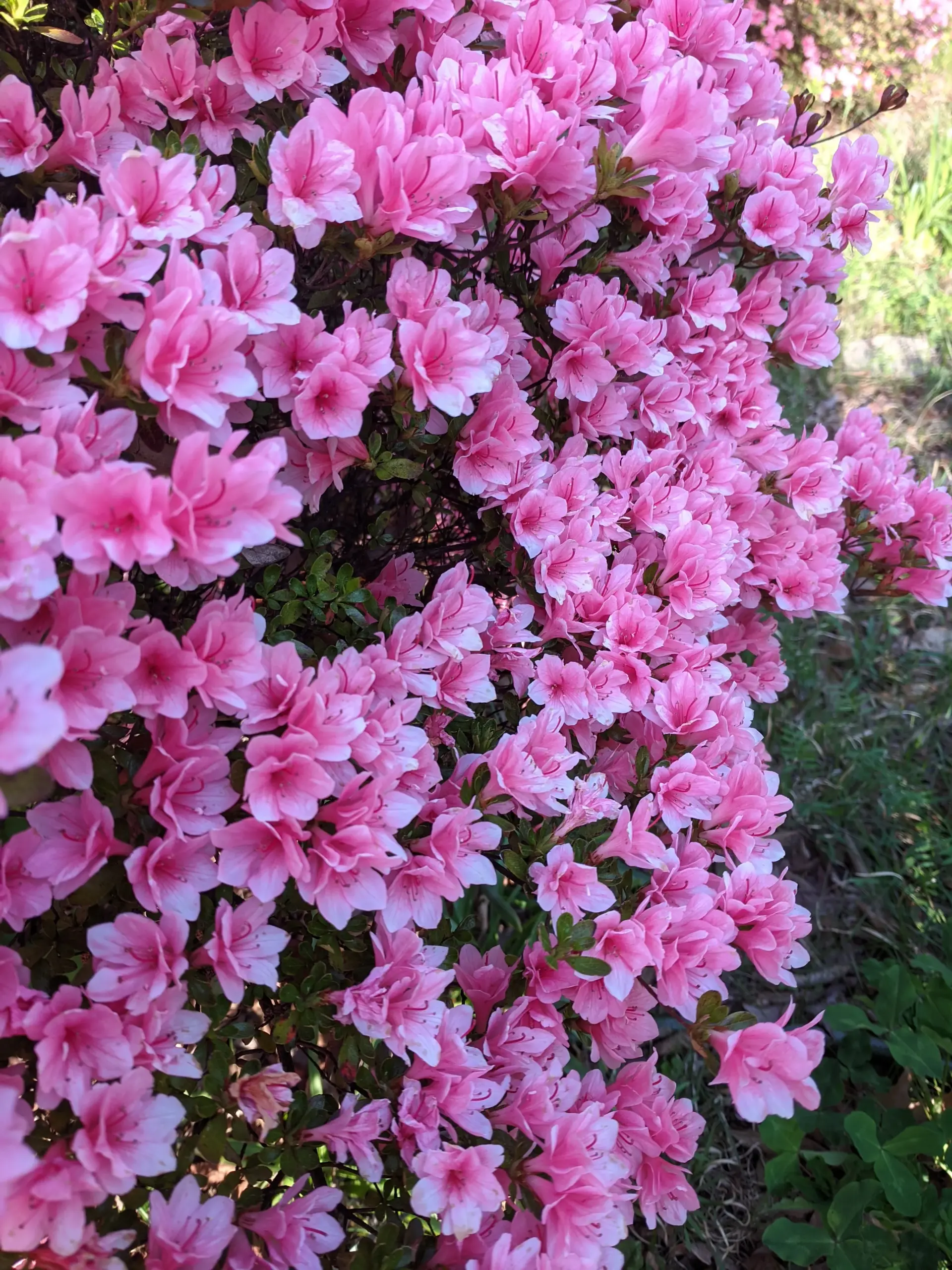
Azalea and rhododendron
These flowering shrubs bring bright spring color to many Sonoma County yards, especially in shaded or woodland-style gardens.
Both azaleas and rhododendrons contain grayanotoxins that affect nerve and muscle function. Dogs that eat the leaves or flowers often develop symptoms within a few hours.
Common warning signs include drooling, vomiting and diarrhea. In more serious cases, poisoning can cause weakness, low blood pressure and abnormal heart rhythms. Without treatment, severe cases can become life-threatening.
Lily of the valley
Lily of the valley thrives in shady garden corners and spreads easily as a ground cover. Its delicate white, bell-shaped flowers and sweet fragrance make it a classic ornamental plant.
Despite its gentle appearance, the plant contains powerful cardiac glycosides similar to those found in foxglove and oleander.
If a dog chews the leaves, flowers or berries, it may develop vomiting, diarrhea and slowed or irregular heart rhythms. Severe poisoning can trigger seizures or serious heart complications.
Creating a safer Sonoma County garden
The good news is that plenty of beautiful plants grow well in Sonoma County without posing serious risks to dogs. Roses, snapdragons, sunflowers, camellias and many California native plants are widely considered pet-friendly choices.
When adding something new to the garden, check reliable references such as the ASPCA toxic plant database or ask a veterinarian before planting.
And if you suspect your dog has eaten part of a toxic plant, don’t wait for symptoms to worsen. Call your veterinarian or an animal poison helpline immediately. Fast treatment often makes the difference between a frightening scare and a full recovery.
With a little planning, you can create a Sonoma County garden that is beautiful, climate-appropriate and safe for the four-legged family members who love to explore it.